Home • Study English Abroad • Study Abroad in the Philippines
Study Abroad in the Philippines
Your guide to affordable 1-on-1 English tutoring. Get free, honest advice on schools, visas, costs, and safety in Cebu and Baguio.
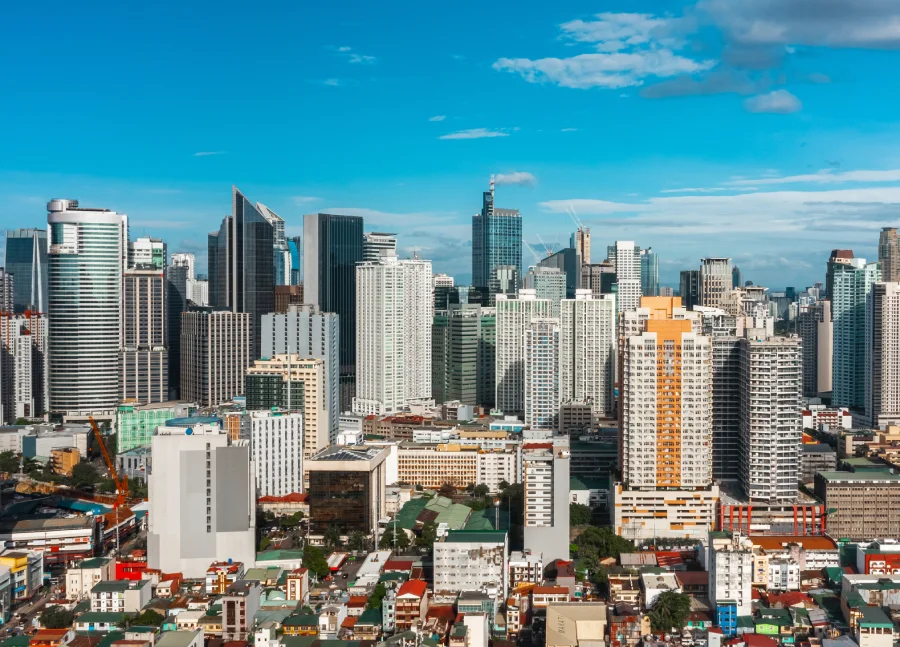
Why Study Abroad in the Philippines? The Philippines is a popular and practical choice for studying in The Philippines, combining high-quality education with an affordable cost of living in The Philippines. English is one of the country’s official languages, and it is widely spoken in daily life, which creates a natural and immersive learning environment for students.
Which Philippine City is Right for You? You can choose to study in a city known for its tropical resort lifestyle or its fast-paced urban energy. The Philippines offers distinct environments, so it is easy to find a place that suits your personality and goals.
- Cebu: The main student hub, offering a perfect balance of intensive study and a relaxing tropical resort lifestyle.
- Manila: The bustling capital, known for its rich history, modern shopping districts, and dynamic urban energy.
What is the International Student Experience Like in The Philippines? The student life in The Philippines is defined by its warm climate and friendly communities. With a variety of English programs available, it offers options for all goals, from short-term intensive courses to longer-term study. It is a destination where students can improve their language skills quickly while enjoying a welcoming and culturally rich environment.
If you are just starting your research and want a complete overview of the entire process, from understanding the benefits to planning your trip, read our complete guide to English language study abroad.
Key Takeaways
- Best Value: The #1 reason to study in The Philippines is its affordability. It offers the world’s best value for intensive, 1-on-1 English tutoring.
- Unique Visa Process: The Philippines student visa is not a visa you can get in advance. Instead, you will need a “Special Study Permit” (SSP), which your school applies for on your behalf after you arrive as a tourist.
- Critical Safety Warning (Fraud): The Philippine government warns students about “fraudulent agents.” You must only book directly with an accredited school or a trusted, official partner.
- No Work Rights: You cannot work while studying. This is strictly forbidden.
- Accommodation Standard: The safest and most common Philippines student accommodation is the school-managed dormitory, often bundled with your course and meals.
Philippine visas for international students
Types of Visas in the Philippines for All International Students
The student visa process in the Philippines uses a combination of a visitor’s visa and a Special Study Permit (SSP). Short-term language students use a Tourist Visa (9a), and their school applies for the SSP after they arrive. The Student Visa (9f) is for long-term university degrees, and all student permits strictly forbid working.
Table: A quick comparison of visa options for international students in the Philippines.
Visa Pathway | Best For | Application Timing | Work Rights |
Tourist Visa (9a) + SSP | Short-term Language Study | After Arrival (School applies for you). | NO |
Student Visa (9f) | Long-term University Degree | Before Travel (usually). | NO |
Temporary Visitor's Visa 9(a) + Special Study Permit (SSP)
This is the standard and mandatory combination for all international students attending short-term English schools in The Philippines. Most students, including those from Japan, South Korea, and Italy first enter the country as tourists (visa-free for 30 days).
After arriving and enrolling in an accredited school, the school applies for the “Special Study Permit” (SSP) on their behalf. The SSP is a permit that allows you to study, not a visa that allows you to stay. Your legal stay is tied to your tourist visa, which the school helps you extend.
Student Visa 9(f)
The 9(f) student Visa in The Philippines is for long-term, formal academic study, such as a university degree. This visa is generally not used for standalone language schools in The Philippines. It is for students pursuing a Bachelor’s or Master’s degree at universities in The Philippines.
Always check the official rules at the Philippine Bureau of Immigration website.
Cost of studying and living in the Philippines
Cost of Studying and Living in The Philippines for International Students
The cost of studying in the Philippines is the lowest of all destinations, with the main savings coming from intensive 1-on-1 tutoring, which is often bundled with accommodation and meals.
Estimated tuition for English Language Schools ranges from PHP8,900 to PHP15,000 per week (bundled). The cost of living is extremely low, with estimated extra personal monthly expenses (transport, entertainment) totaling approximately PHP10,000 to PHP20,000, and students staying over 59 days are legally required to get an ACR I-Card which costs around $50 USD. Despite the low cost, working is strictly forbidden for international students on a student permit.
Estimated Tuition Fees
The main saving comes from 1-on-1 tutoring, which costs a fraction of a group class in other countries. English schools in The Philippines often bundle tuition, accommodation, and meals into one low price.
Type of School | Estimated Tuition Fee (PHP) |
English Language Schools | PHP8,900 – PHP15,000 per week (Bundled) |
Elementary Schools | PHP25,000 – PHP110,000 per year |
High Schools | PHP40,000 – PHP150,000 per year |
Universities | PHP59,146- PHP177,438 per year |
Note:
Fees are estimates and vary by institution and program.
Estimated Cost of Living
The cost of living in The Philippines is extremely low, especially when accommodation is bundled with your school. For many language students, accommodation and food are included in the school fee. The budget below estimates extra personal expenses.
Expense Category | Estimated Monthly Cost (PHP) |
Accommodation & Food | Often bundled with tuition |
Transport (Jeepney/Trike) | PHP1,200 – PHP2,400 |
Personal & Entertainment | PHP8,800 – PHP17,600 |
Total Estimated Monthly (Extras) | ~PHP10,000 – PHP20,000 |
The "ACR I-Card" (Alien Certificate of Registration)
If you stay in the Philippines for more than 59 days, you are legally required to get an ACR I-Card (Alien Certificate of Registration). This is a microchip ID card that tracks your legal status. Your school usually helps you apply for this along with your visa extension. It costs approx. $50 USD.
Work rights in the Philippines
Working While Studying in the Philippines for International Students
You cannot work while studying in the Philippines on a student permit. The Special Study Permit and tourist visa extensions strictly forbid all forms of paid employment. The Philippine Working Holiday Visa is only offered to the citizens of New Zealand, Australia, and Austria.
Visa / Student Type | Work Rights? |
Visitor’s Visa (Short Course < 90 days) | No. Not permitted. |
Study Visa (Long Course > 90 days) | No. Not permitted. |
The Post-Study Work Availability in The Philippines
There is no in-country post-study work pathway for language students. Career opportunities do exist in the Philippines (for example, as an ESL teacher in Cebu), but this is not a simple extension. It requires you to leave the country and apply for a new, employer-sponsored work visa.
Healthcare and insurance
Healthcare and Health Insurance in the Philippines for International Students
While strict government mandates have eased since the pandemic, holding comprehensive private health insurance is absolutely critical for international students.
The Philippines has a two-tiered healthcare system. Public hospitals can be overcrowded and under-resourced, while private hospitals offer excellent, Western-standard care but require upfront payment.
Table: Student Health Insurance in the Philippines Key Facts
Feature | Details |
Mandatory? | No longer a strict federal entry mandate, but highly recommended by schools. |
Best Option | Private Travel/Medical Insurance from your home country before you travel. |
Visa Requirement | Medical Exams are often required for 9(f) visa conversion (X-ray, blood test). |
Recommendation | Ensure your policy covers upfront payments at private hospitals. |
The "Pay-As-You-Go" Reality
You should hold comprehensive private insurance. The public healthcare system can be under-resourced. Private hospitals offer excellent care (Western standard), but they often require upfront payment before treatment. Ensure your insurance covers this.
- Private Hospitals: These are the recommended options for international students. They are modern and English-speaking but can be expensive.
- Insurance Requirement: While you may not need to show an insurance policy at the border like in the past, universities and language schools highly recommend holding a comprehensive private policy to cover hospitalization and emergencies.
Medical Exams for Visas
You will likely need a medical check-up after arriving in the country if you are converting to a long-term Student Visa (9(f)). You must provide a Personal History Statement (PHS) for background review and a medical certification of fitness to study from a Level 3-accredited hospital. This medical process typically includes a chest X-ray, drug test, and laboratory exams (such as urinalysis and stool exam) to ensure you are free from dangerous communicable diseases.
Public Transportation
Public Transportation Rules and Costs in the Philippines
Transport in the Philippines is an adventure in itself; it is chaotic, colorful, and incredibly cheap.
For international students, the system offers a steep learning curve. While it is very affordable, you should know that the official student discount law does not apply to you.
Table: Comparison of Transportation Systems in the Philippines
Mode | Best For… | Cost (Full Fare) | “Need to Know” |
Traditional Jeepney | Short trips, local culture | ~PHP 13 – 15 ($0.25) | Open-air. Shout “Para po!” to stop. |
MyBus | Airport & Mall transfers | ~PHP 25 – 50 ($0.50-$0.90) | Air-conditioned. Connects SM Malls & Airport. |
Modern Jeep (“Beep”) | City commuting (AC) | ~PHP 15 – 30 ($0.50) | Air-conditioned minibuses. Safer than old jeepneys. |
Grab (App) | Safety & Night travel | ~PHP 150+ ($3.00+) | The safest option at night. The price is fixed before you ride. |
Unlike Cebu, Manila has a train network (LRT and MRT) that helps you beat the traffic.
- LRT/MRT: These trains run above ground along major avenues (like EDSA). They are very cheap (approx. $0.30 – $0.60 USD) but gets extremely crowded during rush hour.
- Beep Card: Buy a reloadable “Beep Card” to use the trains. It saves you from standing in long lines to buy single-journey tickets.
The Student Fare Discount
International students are generally NOT eligible for the official discount. The Student Fare Discount Act (RA 11314) mandates a 20% discount for students, but it strictly defines a “student” as a Filipino citizen currently enrolled in school.
- The Rule: You will likely pay the full adult fare.
- The Good News: Even the “full” fare is extremely cheap by international standards (e.g., a jeepney ride is often less than $0.25 USD).
- Exceptions: Some private companies (like airlines or premium bus lines) may offer their own promotional student fares that include international students, but this is a company policy, not a legal right.
The Jeepney Experience
This is the most iconic way to travel. Jeepneys are open-air minibuses that follow specific routes. They have no fixed stops and require a specific social etiquette.
- “Bayad Po”: This means “Here is my payment.” You pass your cash to the passenger next to you, and they pass it forward to the driver.
- “Para!”: Shout this when you want to get off.
- Safety: Always wear your backpack on your front to avoid “snatch theft,” especially in crowded vehicles.
Modern Trains and Beep Cards
In Manila, use the train to beat the traffic. For the LRT and MRT train lines in Metro Manila, you should get a Beep card (a reloadable smart card). This avoids long queues for tickets. Since you cannot get the student discount card, you will simply use a standard stored-value card.
In Cebu, you don’t have the Manila trains. Instead, you have modern options that connect major malls and the airport.
- MyBus: These are large, blue, air-conditioned buses that run on a schedule (mostly between SM Seaside, SM City Cebu, and the Mactan Airport). You pay using a MyBus Card (tap card) or cash.
- Modern Jeepneys (E-Jeeps): Often locally called “Beeps” (blue or white air-conditioned minibuses). These are safer and more comfortable than traditional jeepneys. Some units are starting to accept Visa cards, but cash is still king, so always carry small bills.
Student living in the Philippines
Life in The Philippines for International Students
The student life in The Philippines is social, friendly, and full of opportunities for travel and adventure.
Philippine Culture and Social Etiquette
Filipino culture is famously warm, welcoming, and respectful.
- Hospitality: Locals are “friendly” and “welcoming.” You will find it easy to make friends.
- “Hiya”: This is a cultural concept of politeness, social grace, and avoiding conflict.
- Respect for Elders: Using “Po” and “Opo” are small words that show a high level of respect.
- Punctuality: While you must be on time for class, you may encounter “Filipino Time” in social settings, which is a more relaxed and flexible attitude toward time.
Safety in the Philippines
Safety in the Phililppines for International Students
The data shows that while The Philippines ranks lower than other major English-speaking destinations, it is currently on a positive trend of improvement.
According to the 2025 Global Peace Index, The Philippines is ranked 105th out of 163 countries. This places it in the “Medium” state of peace category, significantly below countries like New Zealand (#3) or Ireland (#2), but showing measurable progress.
A Trend of Improvement
The most significant data point in the 2025 report is the country’s upward momentum.
- Rising Rank: The Philippines climbed 6 places in the rankings this year, moving up to 105th.
- Historical Context: This is the country’s best performance in eight years (since 2017).
- Score Improvement: The country’s overall peace score improved to 2.148 (a lower score indicates higher peace), driven by government initiatives to stabilize internal conflict and improve order.
Regional Comparison
The Global Peace Index calculates a score based on three domains. The data for The Philippines shows a distinct split between them:
- Ongoing Conflict: This domain has historically weighed down the country’s score due to long-standing internal conflicts in specific southern regions (Mindanao).
- Safety and Security: This domain measures crime rates and political stability. While improving, it remains the primary challenge for the country’s overall ranking compared to Western destinations.
Understanding the Score Breakdown
While you can have a safe and amazing experience, South Africa has a high rate of crime. You must be vigilant and take your personal safety seriously. All students should follow these rules:
- Do not walk alone even during the day in certain areas (e.g., quiet hiking trails or empty CBD streets).
- Do not display valuables like phones, cameras, or expensive jewelry in public.
- Use trusted ride-share apps (like Uber or Bolt) instead of hailing taxis from the street.
- Keep car doors locked and windows up when driving.
- Avoid informal settlements (townships) unless you are on a formal tour with a trusted guide.
Important:
The Philippines is not statistically comparable to "High Peace" nations like Canada or Australia. It is a developing nation that is becoming safer year-over-year, but statistically remains one of the more challenging environments in the Asia-Pacific region.
Visa and Accommodation Fraud
The Philippine government has issued official warnings about “fraudulent agents” targeting foreign nationals. Students should NEVER use an unaccredited third-party agent. The only safe way to study abroad in The Philippines is to book directly with an accredited school or through a trusted, official partner like Go! Go! English.
Daily Safety in Cebu and Manila
For daily life, studying in Cebu is generally safe, but students should use common sense, secure valuables, and be aware of non-violent risks like pickpocketing on public transport.
Manila is a fast-paced metropolis where it is essential to be “street smart,” staying within “Safe Zones” like Makati and BGC, and being cautious in high-risk areas or unlit side streets.
For safe transport, especially at night, students should always use the Grab ride-share app and avoid hailing random taxis off the street.
Accommodation in the Philippines
Accommodation Options for International Students in The Philippines
We are here to help you find the right living experience for your goals and budget. Every international student is different, and we can help you understand your options, from living with a local family to finding a private apartment.
The main types of accommodation are:
- Homestay: Live with a local host family to experience the culture and practice your English.
- Student Dormitory: Live in a residence with other international students, often close to your school.
- Sharehouse: Rent a room in a house or apartment with other students or young professionals.
- Private Apartment: Rent your own apartment for more independence and privacy.
Our team can advise you on the best match for your study. For a detailed breakdown of each option and to get help with booking, please visit our student accommodation page.
Philippine weather conditions
Seasons and Weather in the Philippines
The Philippines has a tropical climate, meaning it is warm all year, with a distinct rainy and dry season.
The dry season (best for travel) is typically from November to May. The wet season is from June to October.
City | Avg. Jan Temp (High/Low) | Avg. June Temp (High/Low) |
Cebu | 30°C / 23°C (86°F / 73°F) | 32°C / 25°C (90°F / 77°F) |
Manila | 30°C / 24°C (86°F / 75°F) | 34°C / 26°C (93°F / 79°F) |
Where to study in the Philippines
Top Student Cities in the Philippines for International Students
Cebu: The Tropical Campus
Cebu is the #1 choice for English language students. It offers a “resort-style” education where you can study intensive English during the week and go island hopping or swimming with whale sharks on the weekend. It is safer, more relaxed, and slightly cheaper than Manila.
Manila: The Global Metropolis
Manila is for students who want the “big city” energy. It is the political and economic heart of the country.
Students who love shopping, history, and nightlife. You can visit the historic walled city of Intramuros or explore the high-end, futuristic districts of Makati and BGC (Bonifacio Global City).
Reality Check:
Manila has some of the worst traffic in the world. You must live close to your school, or you will spend hours commuting.
Travel spots in the Philippines
Must-See Travel Spots for International Students
Your student life in The Philippines in Cebu is the perfect base to explore some of the world’s most beautiful islands.
- Kawasan Falls: A multi-tiered, bright blue waterfall perfect for swimming.
- Moalboal: Famous for the “sardine run,” where you can swim with millions of sardines just off the beach.
- Oslob: A popular spot for swimming with whale sharks.
- Bohol: A nearby island famous for the unique Chocolate Hills and tiny tarsier primates.
- Island Hopping: Take weekend trips to nearby islands like Mactan or Bantayan for white-sand beaches.
Alternative study abroad destination:
If you love the idea of studying on an island but prefer a European Mediterranean environment, you should also compare this to studying abroad in Malta.
FAQ
FAQ About Studying in the Philippines
- Can I work while studying?
Generally, no. If you are on a Special Study Permit (SSP) for a language course, you are not permitted to work. Formal work requires a specific Alien Employment Permit. - Is it safe to study abroad in the Philipines?
It requires caution. While thousands of students enjoy Cebu safely, petty crime (like pickpocketing) is common. In Cebu: Be vigilant in crowded downtown areas (like Colon Street). In Manila: Stick to safe, developed districts like Makati or BGC and avoid walking in unlit areas at night. Everywhere: Avoid displaying expensive phones in public and always use apps like Grab for safe transport at night. - Do I need a visa?
Citizens of Japan, Korea, and Italy can enter visa-free (usually for 30 days). For your course, the school will help you get a Special Study Permit (SSP). This is not a visa, but a permit that allows tourists to study. - Is it expensive?
No. The Philippines is one of the most affordable study destinations in the world. You can live comfortably for a fraction of the cost of Western countries. Even without the student discount, transport is incredibly cheap. - What is the “1-on-1” teaching style?
This is the Philippines’ superpower. Unlike group classes in the UK or US, many Filipino schools offer 1-on-1 tutoring as standard. This allows you to speak for hours every day and improve very quickly.
Summary
In Summary: Is Studying in The Philippines Right for You?
The Philippines is the ultimate destination for the “Pragmatic” student who wants rapid results and the “Experience-Seeker” who loves adventure.
It offers a unique value proposition: intensive, 1-on-1 English training at a price point that is unbeatable globally. You can improve your fluency dramatically in a short time while enjoying a tropical lifestyle in Cebu or the fast-paced urban energy of Manila.
However, it requires a sense of adventure. You must be ready to navigate a developing country’s infrastructure (like Manila’s heavy traffic or chaotic public transport). If you are adaptable and focused on fast improvement, it is a fantastic choice.
Compare the Philippines’ costs, safety, and visa rules with Western destinations in our guide on choosing the best country to learn English.
Go! Go! English is part of the Go! Go! World family, helping students since 2009. We partner with language schools, universities, and high schools to help you find the right program, apply for your visa, and find accommodation. Our expert support from a team of former students is completely free. Contact our team for free advice.