Schools in Ireland
Schools in Ireland
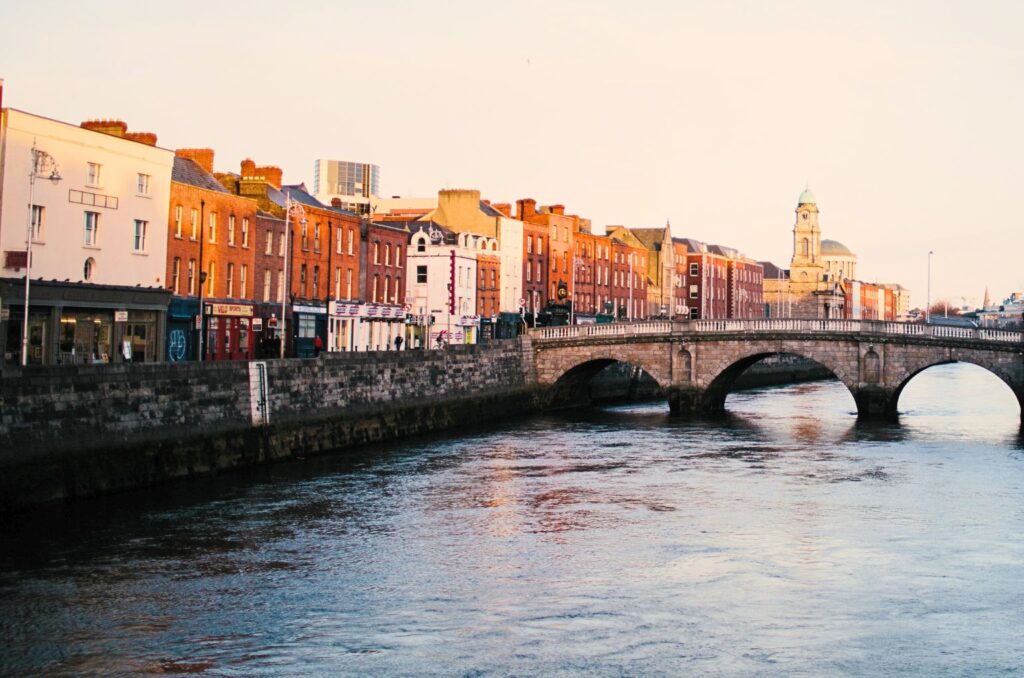
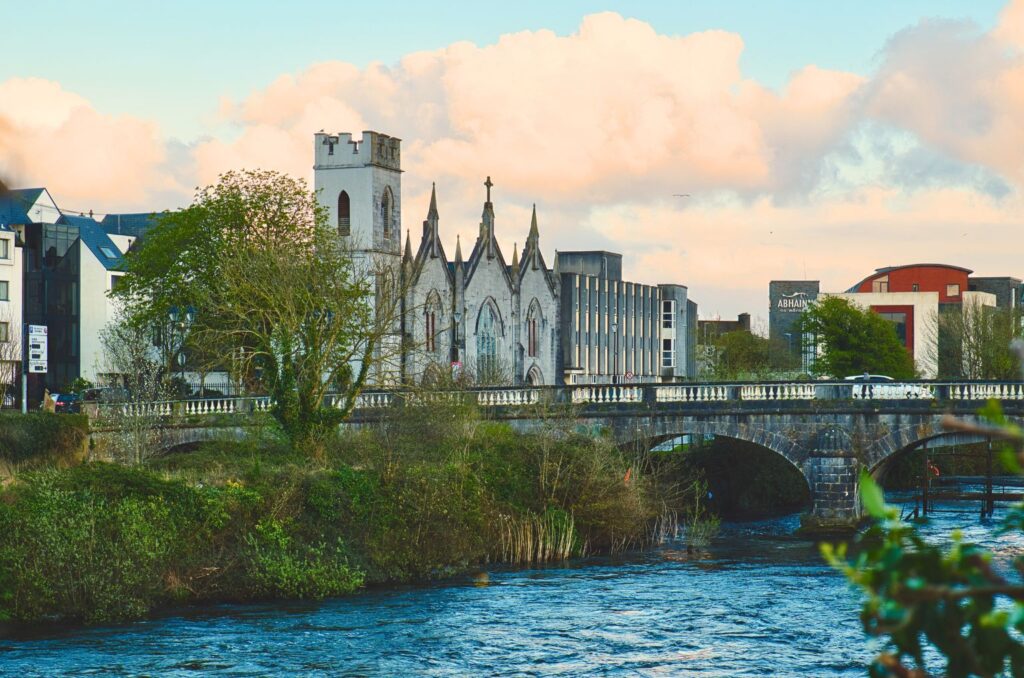
English schools in Ireland are often located in historic towns and cities, offering both modern classrooms and a deep sense of local culture. Ireland is especially popular among students looking for a slightly smaller, more relaxed environment compared to larger English-speaking countries.
Whether you’re walking through lively city streets or along the coast, Ireland gives you the chance to learn in a supportive, engaging environment. Ireland also acts as great starting point for travel. With short flights, students often take the opportunity to explore other parts of Europe while studying. Allowing you to widern your experience and grow even more confident!

Language schools in Ireland
Twin English Centre Dublin
Linguaviva
Types of visas
Types of Visas in Ireland for All International Students
The Ireland student visa system is unique and depends entirely on your citizenship and the length of your course.
| Visa Pathway | Length | Work Rights? | Best For |
| Visitor Visa / ETA (600/601) | < 3 Months | NO | Short-term “taster” language courses. |
| Student Visa (Subclass 500) | > 3 Months | YES (Part-time / 48hrs fortnight) | Long-term, full-time academic or language study. |
| Working Holiday Visa (417) | Up to 1 Year | YES (Full-time) | Work, travel & study (up to 4 months). |
For Italian (EU/EEA) Students
As an EU citizen, you have the right to study in Ireland for any duration without a visa. You have the same rights as an Irish citizen to work and live, making this the easiest and most flexible option.
For Japanese & South Korean (Non-EU) Students
Citizens of Japan, South Korea and other Visa Waiver countries, do not need to apply for a visa before traveling, but must register for an Irish Residence Permit (IRP) after arriving for courses longer than 90 days. This is a “post-arrival registration” system. For courses under 90 days, you can enter as a tourist. Check this link for a full list of Visa Waiver countries in Ireland.
Exam “Tie-In" Rule (Visa Condition)
For Non-EU students on a long-term (25+ week) course, taking an external exam (like IELTS or Cambridge) at the end of your course is mandatory. It is a condition of your student visa.
The Irish Residence Permit (IRP) and ILEP Schools
To get your Irish Residence Permit (IRP), you must be enrolled in a full-time course (minimum 15 hours/week) at a school on the official Interim List of Eligible Programmes (ILEP). Your school will provide the letter you need for your registration appointment.
Always check the official rules at the Irish Immigration Service.
Cost of living
Cost of Studying and Living in Ireland for International Students
The cost of studying in Ireland can be expensive for international students, especially in Dublin where limited housing availability has pushed accommodation costs up significantly. This has a major impact on overall affordability and is an important factor to consider when planning your budget.
Estimated Tuition Fees
Tuition fees in Ireland are competitive, but can vary depending on the city and institution. Below are estimated annual fees for international students. English language schools are typically billed weekly.
Note: Fees are estimates. University fees for specialized degrees like medicine can be significantly higher.
Type of School | Estimated Tuition Fee (EUR) | Estimated Tuition Fee (JPY) |
English Language Schools | €160 – €600 per week | |
Elementary Schools | €7,000 – €14,000 per year | |
High Schools | €9,000 – €28,000 per year | |
Universities | €12,000 – €30,000 per year | |
Vocational Schools (College) | €9,000 – €15,000 per year |
Estimated Cost of Living
Your total budget must account for the high cost of rent, especially in Dublin, which is one of the most expensive cities in Europe for accommodation. Below is an estimated monthly budget for a single international student, comparing Dublin to the more affordable city of Galway.
Expense Category | Estimated Monthly Cost (EUR) | Estimated Monthly Cost (JPY) |
Accommodation (Shared) | €1,000 – €2,000 | |
Food & Groceries | €300 – €500 | |
Transport (Public) | €40 – €70 | |
Utilities & Phone | €105 – €230 | |
Total Estimated Monthly | €1,445 – €2,800 |
Work rights
Working While Studying in Ireland for International Students
The rules for work while studying in Ireland are a major advantage but depend on your citizenship and program.
Visa / Student Type | Work Rules | Study Limit |
EU Student (ex: Italy) | Yes (Full-time). No restrictions. | No limit. |
Non-EU (Stamp 2 Visa) | Yes (Part-time). 20 hours/week (term) & 40 hours/week (holidays). | Must be a 25+ week ILEP course. |
Non-EU (Short Course) | No. Not permitted. | Must be 90 days or less. |
PPS Number (Personal Public Service Number)
To work in Ireland, you need a PPS Number (Personal Public Service Number). You can only apply for this after you have a job offer and your IRP card. It is essential to avoid paying ’emergency tax’ (which is very high). You cannot get paid without one.
The Post-Study Work Availability in Ireland
It is critical to know that the “Third Level Graduate Scheme” (Stamp 1G) is only for non-EU students who graduate from a Level 7 or higher degree program, not an English language course. This scheme allows eligible graduates to stay and work in Ireland for 12-24 months, making it an excellent pathway for university students.
On this page

Your Path to Studying Abroad
How Go! Go! English Helps You Study Abroad
Look through our website. Discover countries, cities, and schools that match your goals.
We help you arrange accommodation, understand costs, and prepare everything you need to settle in smoothly when you arrive.
We’re with you from the first question to your first day abroad. Ready to start your own study abroad journey? Contact us today.


Go! Go! English
Go! Go! English Live and Study Abroad!
Go! Go! English was launched to help people from all over the world fulfill their dreams of living abroad. We do this by helping them choose and enroll in the right school, apply for their student visa, find accommodation, and any other services needed to settle into their lives abroad. We partner with different types of schools; English language schools, universities, Vocational Colleges and high schools.